01
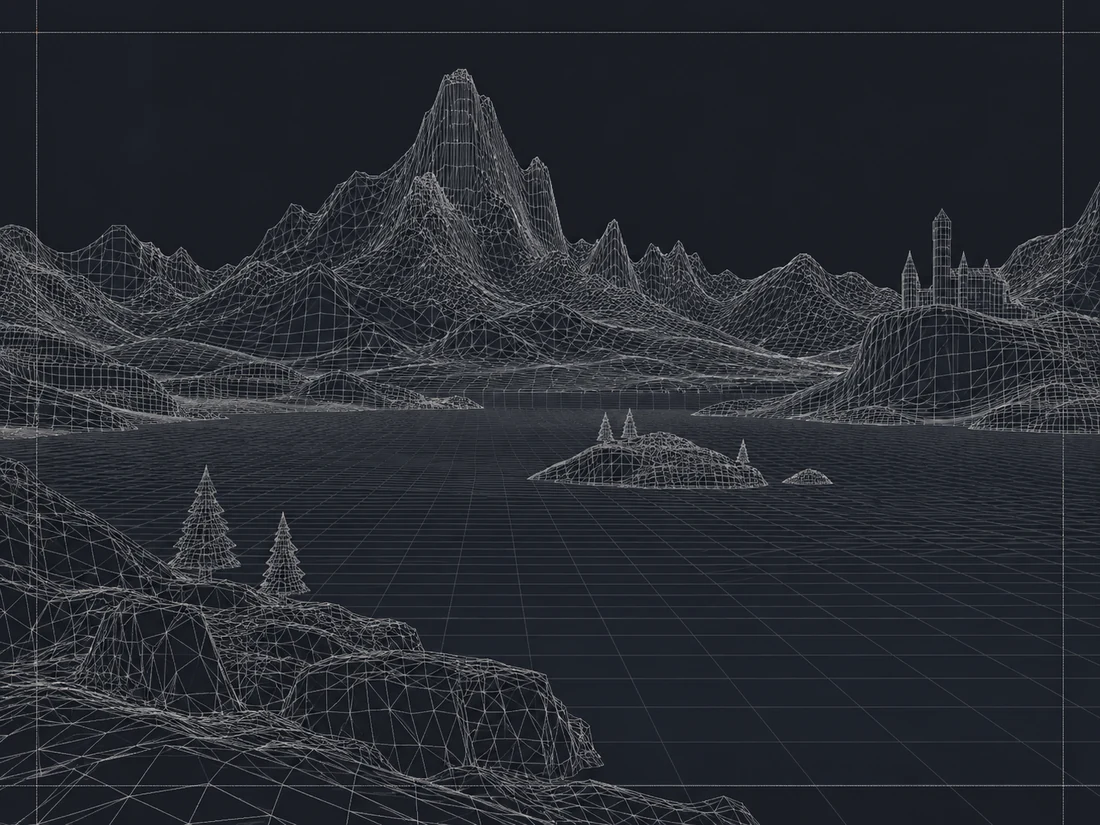
Source
An original photograph, drawing, height map, terrain dataset or other source material used as the starting point for a scene.

Real tools.
Measured time.
1990s software • Period hardware • Real render times
Digital worlds from the age when rendering took time.
Age of Render is a long-term creative and documentary project exploring authentic computer graphics of the 1990s. We create digital landscapes and rendered scenes using original software, real period hardware and documented workflows — preserving not only the final images, but also the limitations, waiting times and creative decisions that shaped them.
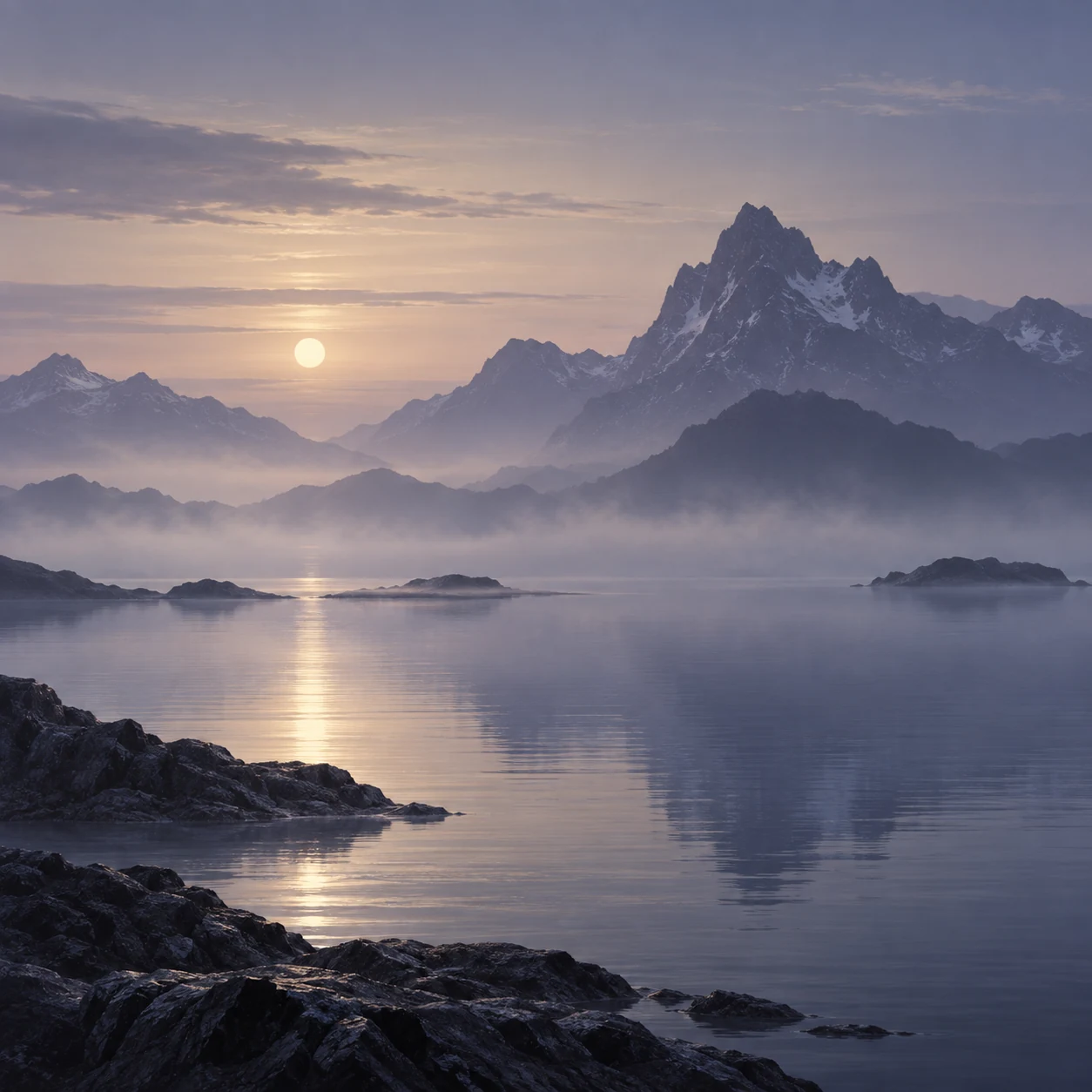
Same tools. Same scene. Different limits.
By comparing the period version with the Ultimate version, Age of Render separates the limits of the software from the limits of the computer it originally ran on.
An original photograph, drawing, height map, terrain dataset or other source material used as the starting point for a scene.
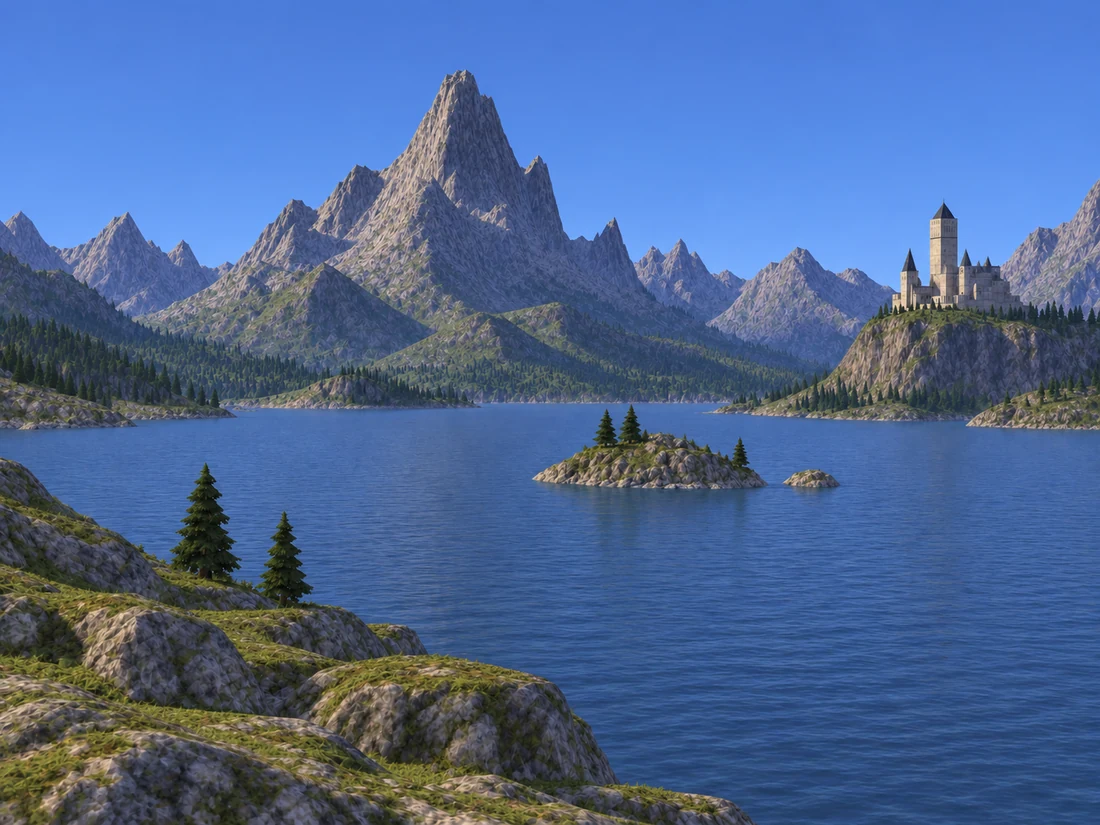
The scene created and rendered in original 1990s software on period-correct hardware, with the real performance limits, working resolutions and render times of the era.
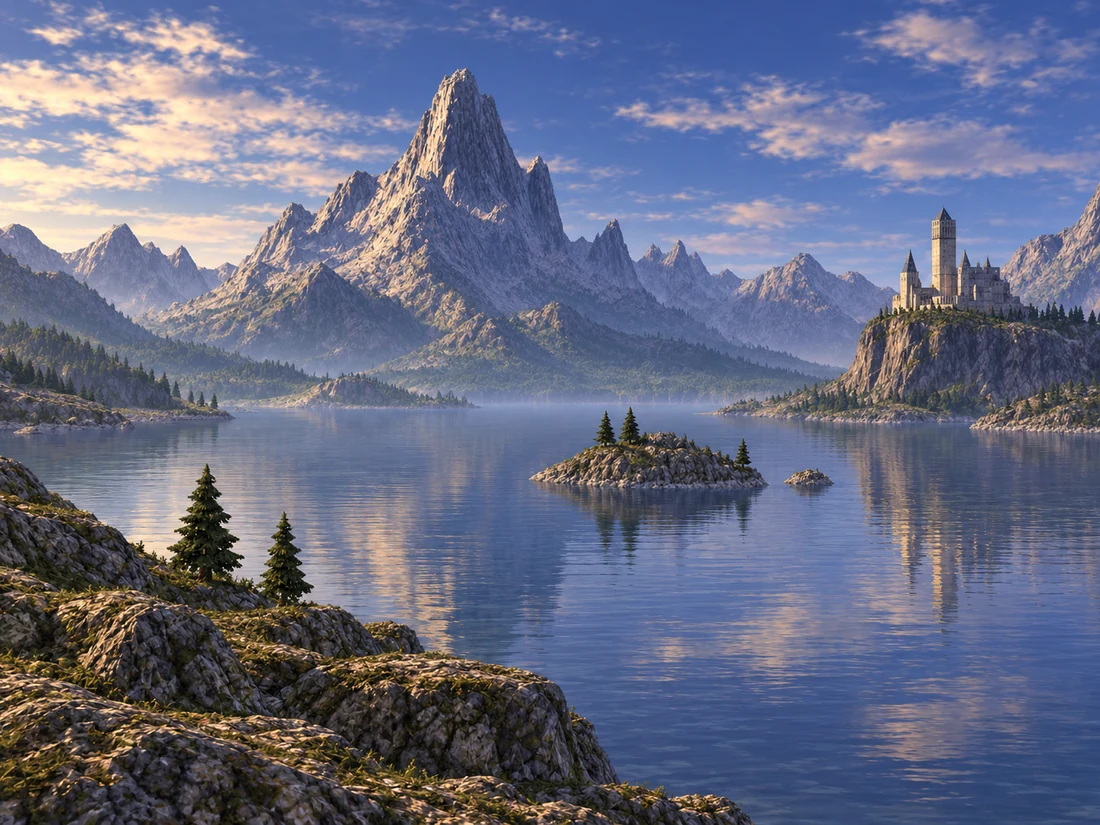
The same software and the same scene moved to a much faster period-adjacent workstation, allowing higher quality, greater complexity and fewer practical compromises without changing the original rendering engine.
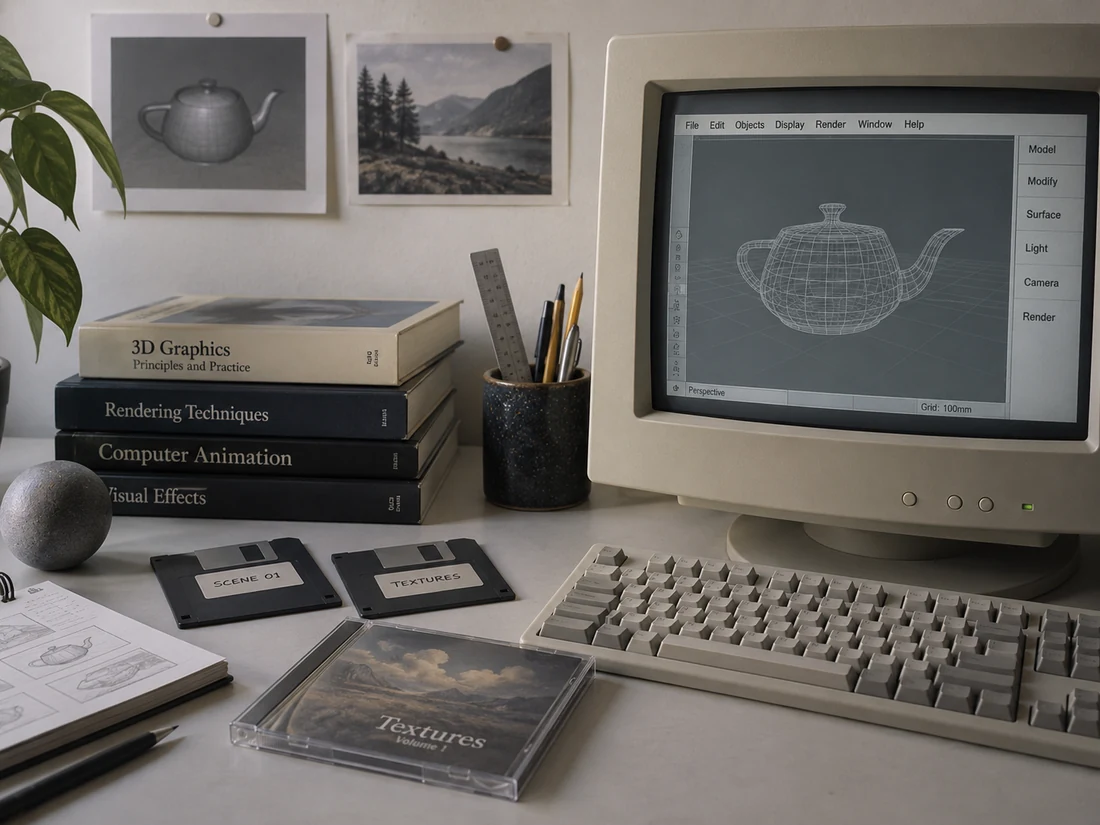
Age of Render is not a general retro-computing channel and not a showcase of old software running for nostalgia alone. The focus is the act of making images: how scenes were built, how the tools behaved, where the hardware imposed limits, how long a render really took, and what the finished image looked like before modern tools could rewrite the process.
The project follows the original workflow as closely as practical. Period workstations, original software, manuals and documentation are used to recreate the conditions in which 1990s computer graphics were actually made. Modern systems are reserved for capture, archiving, editing and publication — not for replacing the original renderer.
The limitations are not bugs.
They are part of the work.
The project is built around a growing collection of original creative software from the 1990s. A small number of core applications form the main production workflow, while a much larger archive provides supporting tools, alternate workflows and historical comparisons.
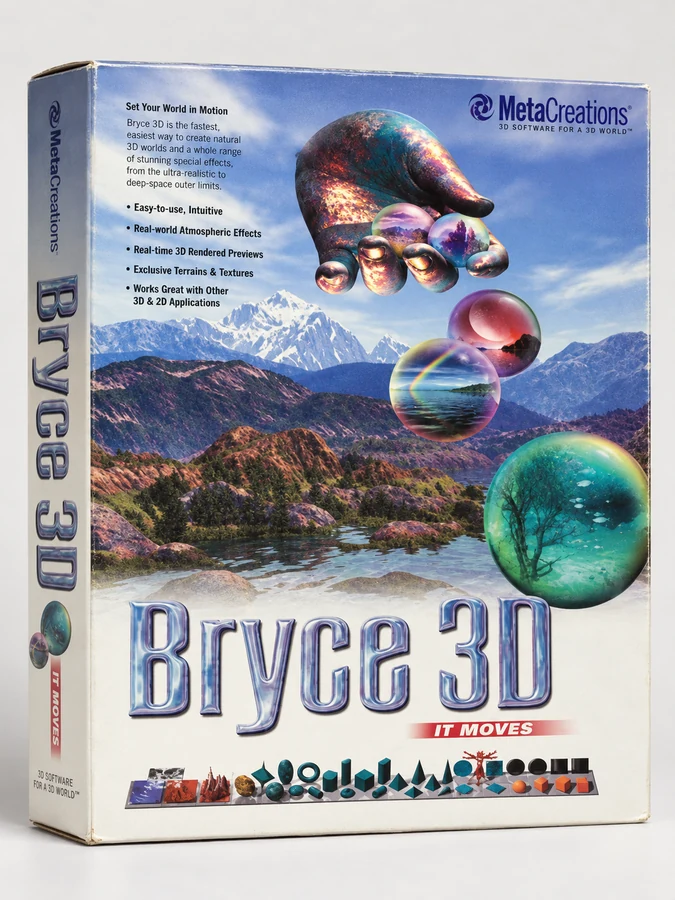
Landscapes, terrain, procedural materials, atmospheric effects and animation — with the unmistakable visual language of late-1990s CGI.
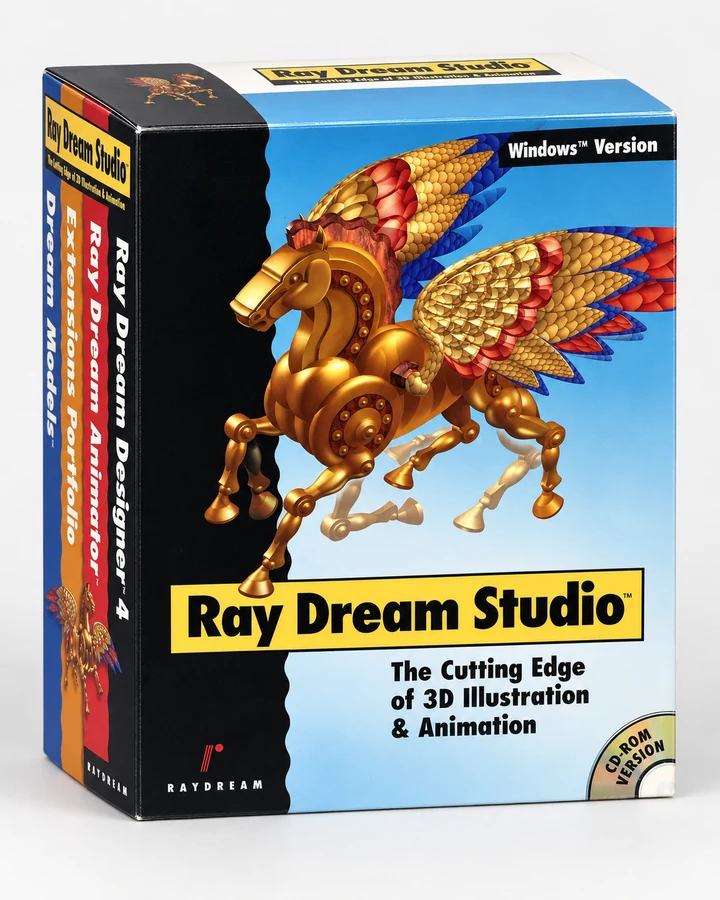
3D modelling, illustration, shading, rendering and animation for the Windows 95 production workflow.
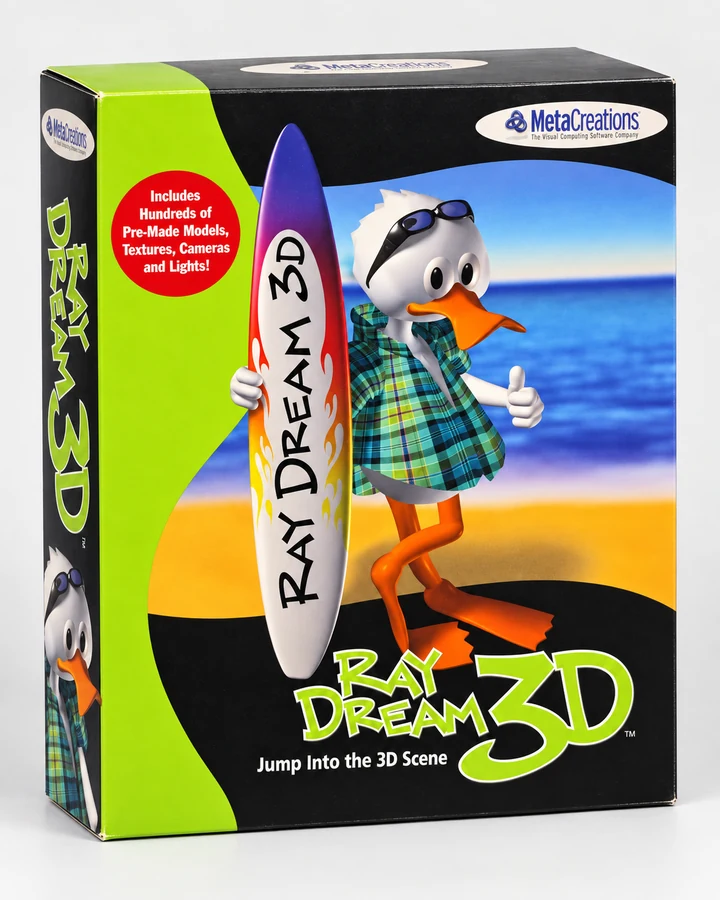
Accessible 3D modelling and rendering with the characteristic Ray Dream workflow and visual style.
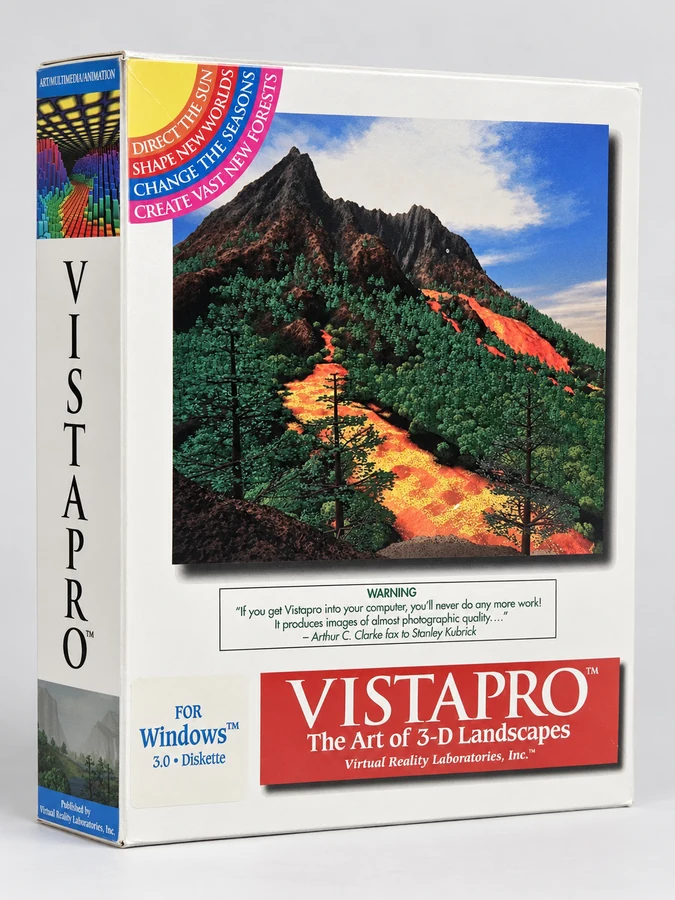
Procedural landscape generation and rendering, including terrain, water, trees, clouds and real-world elevation data.
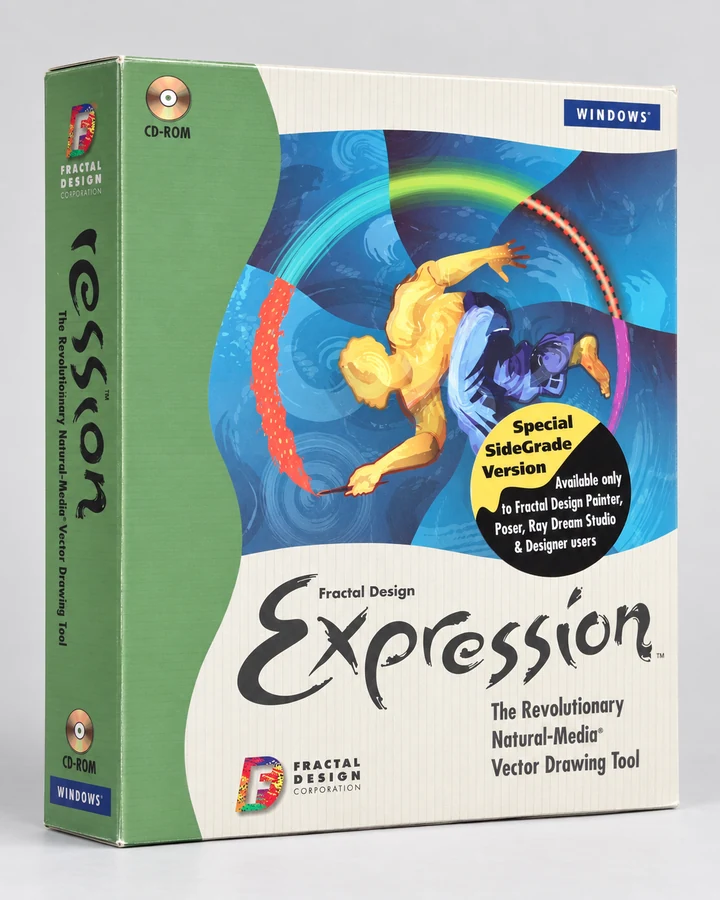
Vector illustration with Natural-Media strokes, combining editable paths with the look of traditional brushes, pens and painted media.
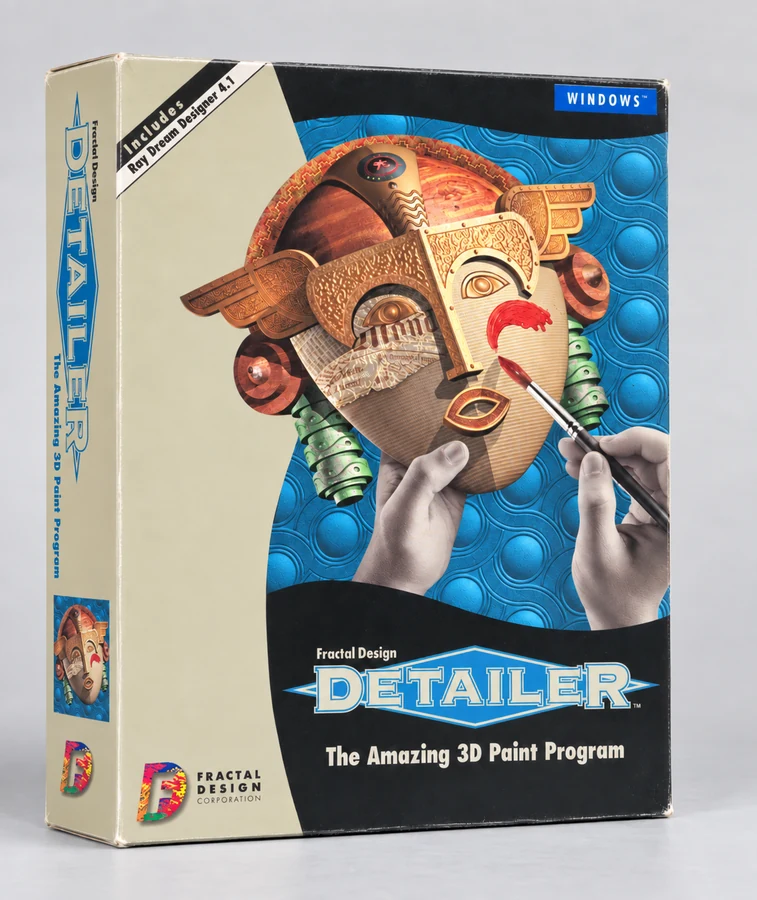
3D painting and texturing for creating surface, bump, reflection, highlight and glow maps directly on 3D models.
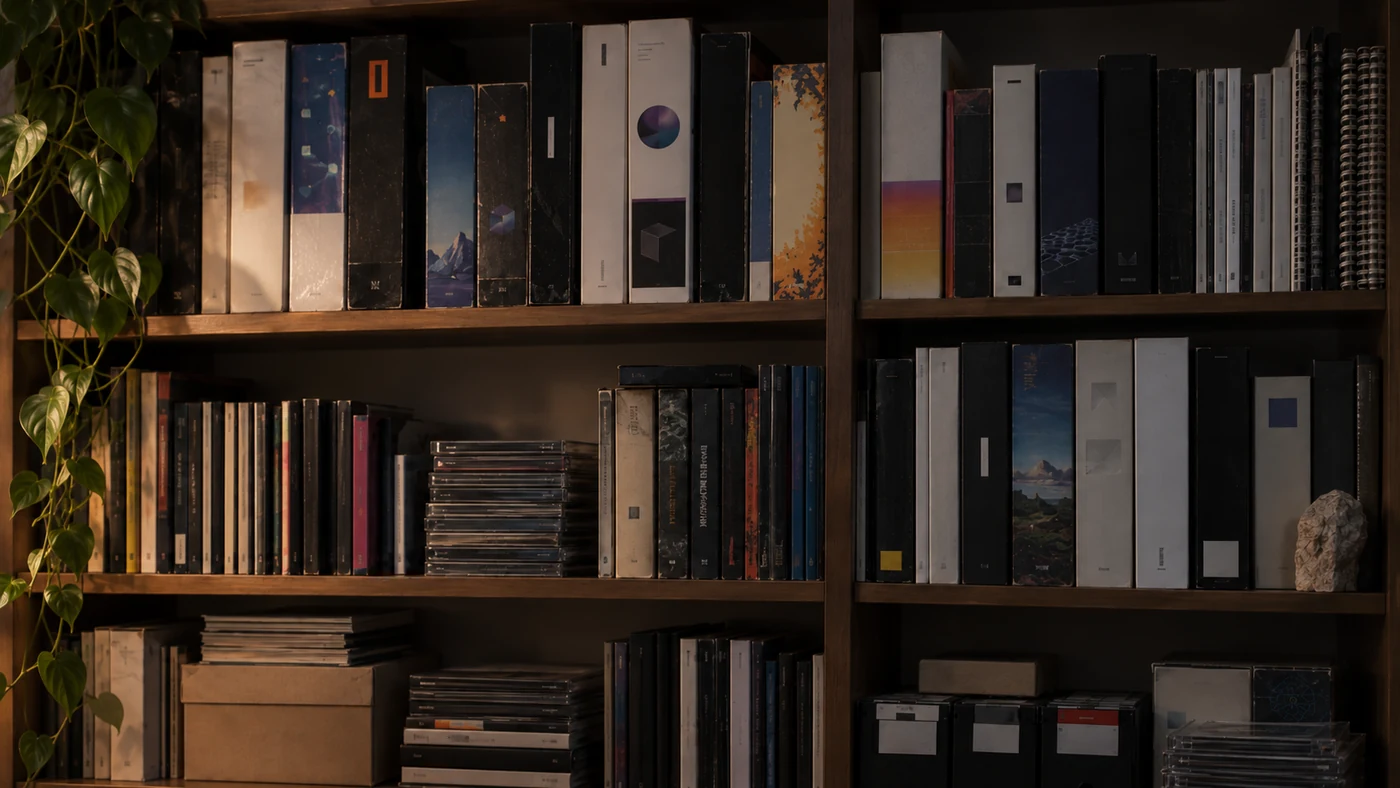
Original media / documented editions
Age of Render is built around a growing physical archive of original boxed software, manuals, disks, CD-ROMs and period documentation. These are not random ISO images collected from the internet: the project uses real physical editions to reconstruct authentic workflows and preserve the material culture around 1990s computer graphics.
Beyond the featured applications, the archive includes dozens of additional 2D, 3D, modelling, painting, animation, CAD and publishing tools. Selected titles will be documented and used whenever they add something meaningful to the creative or historical story.
Three period and period-adjacent platforms reveal where the software ends and the limits of the machine begin.
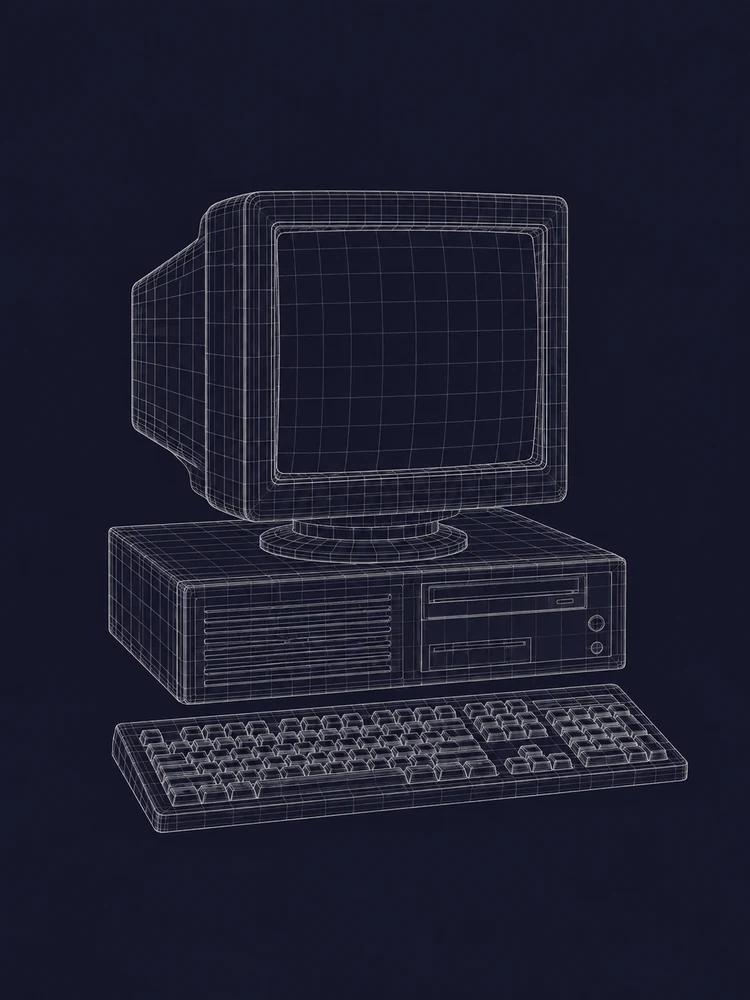
Early Landscape Workstation
The authentic platform for VistaPro 3.0 and other early-1990s landscape tools.
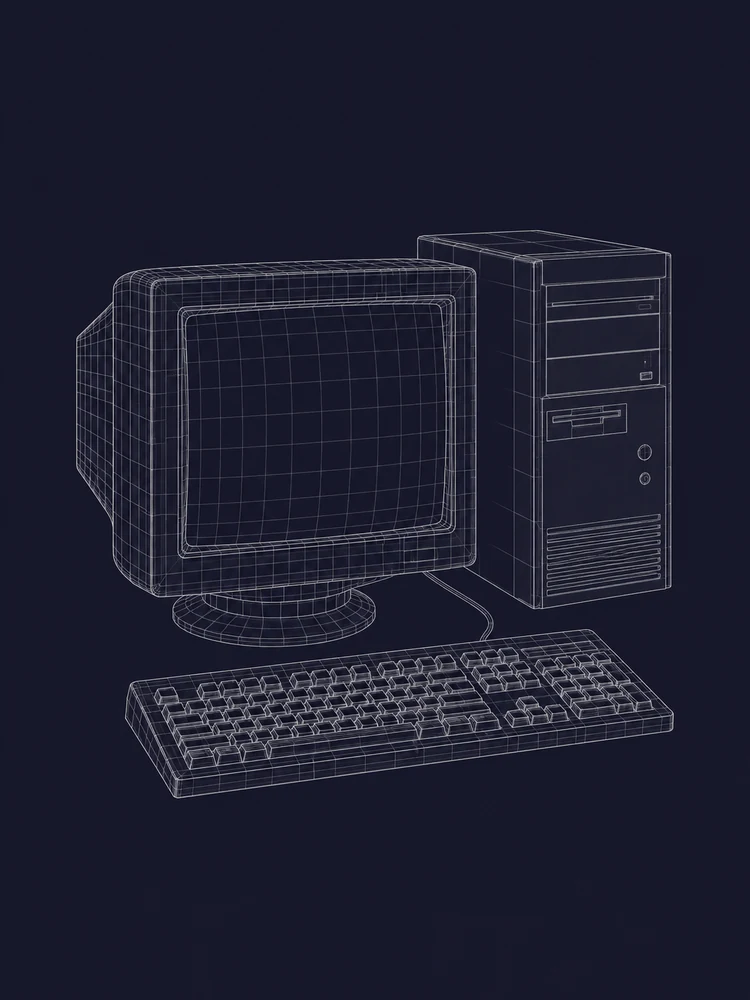
Main Period Workstation
The main production machine for Bryce 3D and Ray Dream.
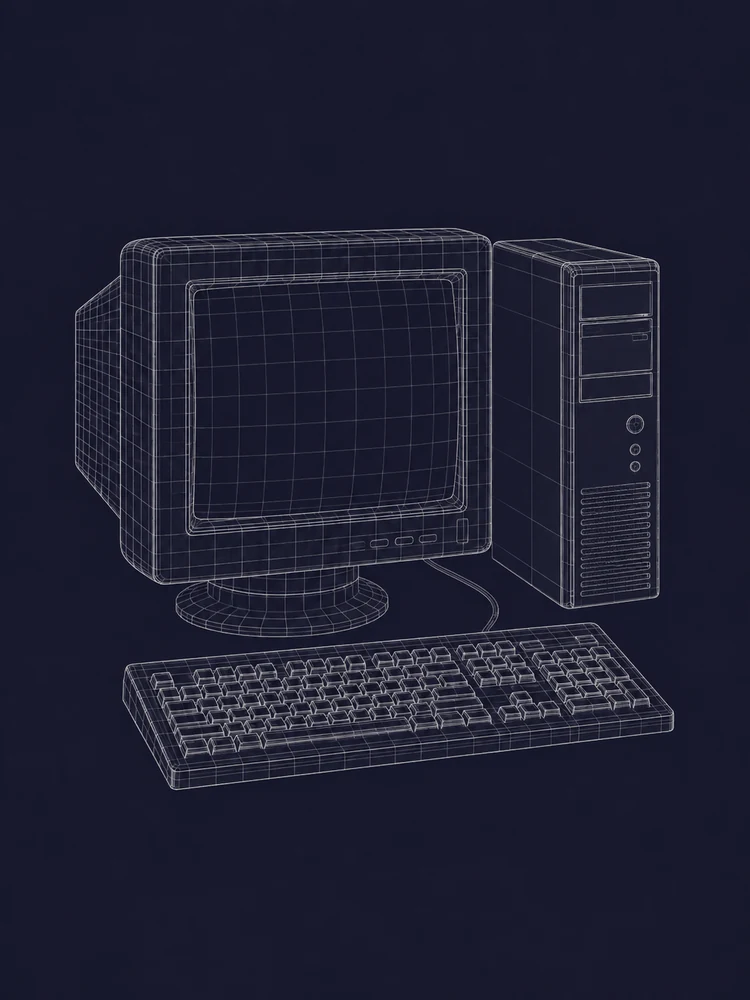
Period-adjacent performance
The platform for pushing the original software beyond the practical limits of period hardware.
We are restoring the original workstations, installing the software, studying period documentation and preparing the first scenes. Complete projects will appear here with source material, period renders, Ultimate renders, hardware details, measured render times and process videos.